Vegetables I Wouldn’t Grow Again: From Tatsoi to Zucchini
Planning for the next summer is exciting.
Mid-winter already feels like spring, even when it’ still a couple of months away. But this is when the summer garden begins First, by browsing all the seed varieties available on your favourite website (mine is Livingseeds). Then, by doing a quick inventory of leftover seeds in storage.
Before going crazy and ordering a hectare’s worth of seeds, I take a step back. How much space is actually available? What garden projects can still be done to create more room for growing?
And most importantly, a little reality check. Do you really need ten different varieties of tomatoes? Was it just that pretty picture that made you add it to your cart? Does it really make sense to grow peanuts in your climate or was it rather a ‘how cool would that be’ kind of a decision?
Grow what you like
This is pretty simple. If you dislike something, you’re unlikely to grow it. Most of the time it’s more nuanced. So how do you decide?
A question I now ask myself: Would I buy this at the grocery store? And specifically, grocery store because I will be a lot more adventurous at a farmers market and try out new things. But this does not mean I want to grow them. And then there are plants I like in theory, or occasionally enjoy, but just don’t use often enough to justify the space.
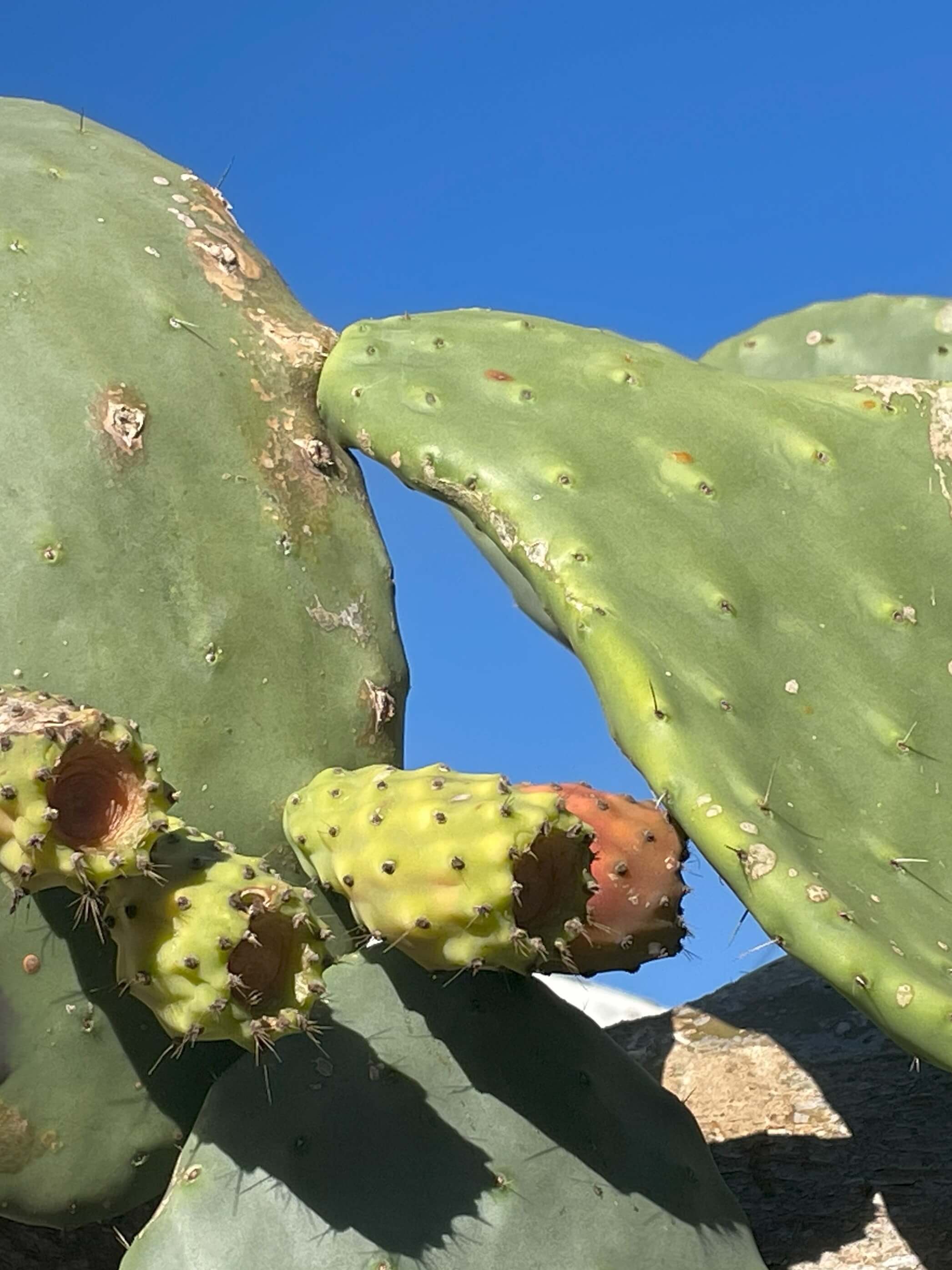
Take prickly pear. I like it. I have bought it. I even have a big one growing in the garden. But I very rarely harvest it, and I don’t look after the plant. It survives on its own.
4 Vegetables I’m Not Likely to Grow Again
Corn
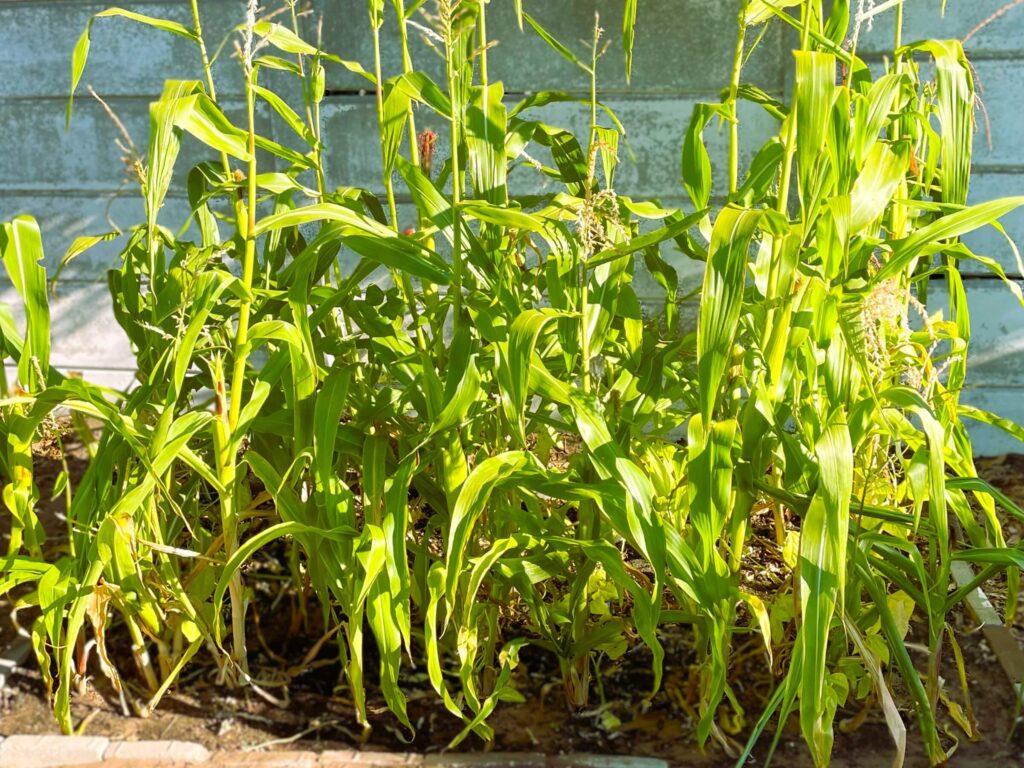
You don’t need a big field to grow corn, especially if hand-pollination is an option. Also, trying the three-sister planting with beans and squash is a fun experiment. But considering how much space and time corn needs to grow, the harvest is relatively small. The advantage of growing your own corn is trying varieties simply not available at the shops. But unless you are a big corn fan you can probably pass this one.
Peanuts
This judgement might be down to my gardening skills. Peanuts have a long growing time of 4 to 5 months. I had a few plants growing last summer, they flowered after a few months and when I went to harvest them something got to them before I did. I will most likely not try again because they can be tricky to grow especially if it’s not their ideal climate.
Tatsoi
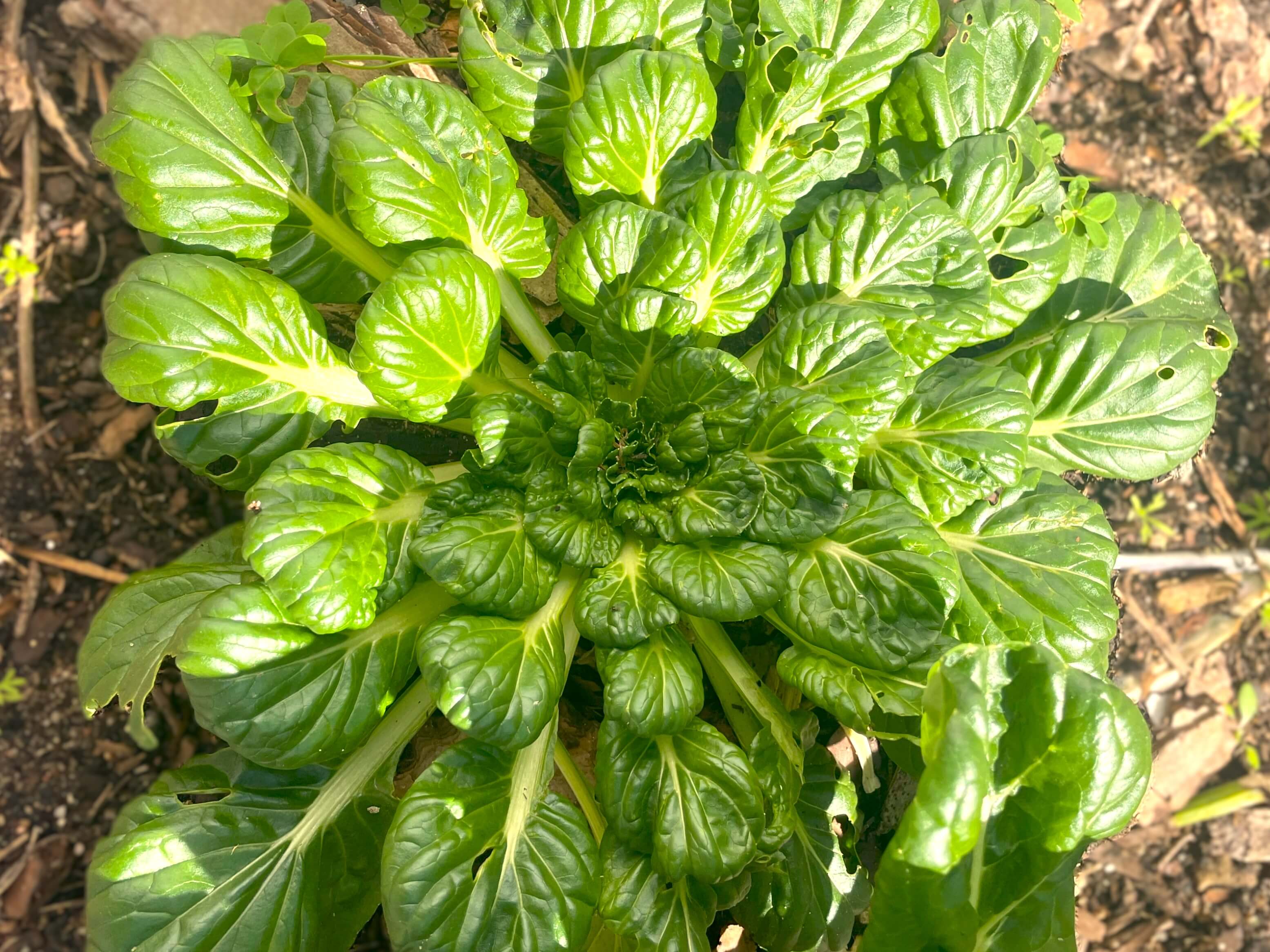
It looks great and grows easily—but that’s not enough of a reason to grow something. Although I like to try out new recipes, I often go back to the same. So it is rare that I would use tatsoi. It can be a nice option to fill in the gaps of the spring or autumn garden but otherwise not my first choice. Instead I would rather grow more spinach, kale, and swiss chard.
Tatsoi
Cucumbers, Zucchini, and Summer Squash
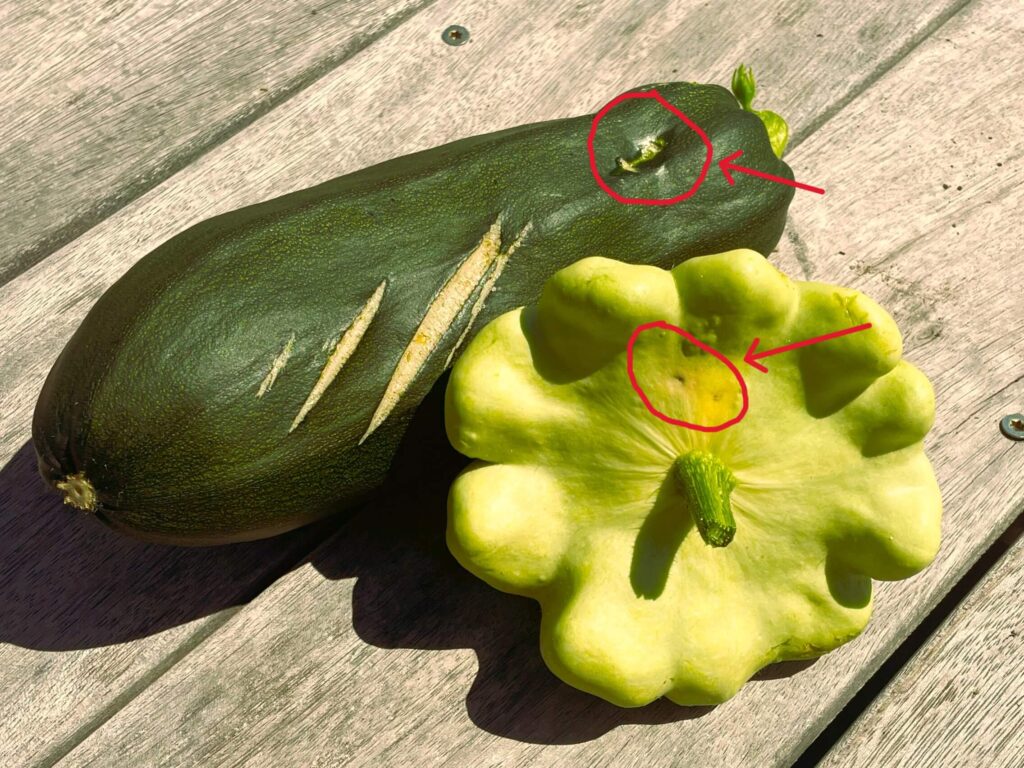
This one is painful. I love eating them and they are relatively easy to grow. Zucchini is nice to have for some early summer harvests. But the pumpkin fly completely decimated my plants. I will probably still try again and use a pumpkin fly trap. I might even sew organza bags to cover the fruits and hand-pollinate. But with the high pest pressure it might be a good option to plant other vegetables especially because summer squash can grow big and occupy a lot of space.
Zucchini and Patty Pan Squash with Fruit Fly Sting Marks
Why You Grow Influences What You Grow
Whether or not to grow something depends on your reasons for gardening. Is the goal the act of gardening itself? Or is it to grow your own food, be more self-sufficient, and live more sustainably?
It’s probably a combination.
Most of us aren’t farmers or working with huge plots of land—so these little choices help keep things in check.
Don’t know what to grow in a small space?
If you’re working with tight space, you might like this post on two layout ideas for small garden beds. I’ve included a summer planting option (with tomatoes, herbs, and flowers) and one for cool season crops like lettuce, parsley, and spinach
A Walk through the Spring Garden The seasons changed. It suddenly went quick. What is officially spring sometimes already feels like summer. Walking through the…
How to Save Seeds From Your Garden: Easy Crops to Start With Saving seeds is a great way to become more self-sufficient, save money, and…
Cookie Consent
We use cookies to improve your experience and to analyze website traffic. You can choose to accept or manage your preferences.
This website uses cookies
Websites store cookies to enhance functionality and personalise your experience. You can manage your preferences, but blocking some cookies may impact site performance and services.
Essential cookies enable basic functions and are necessary for the proper function of the website.
Name
Description
Duration
Cookie Preferences
This cookie is used to store the user's cookie consent preferences.
30 days
These cookies are needed for adding comments on this website.
Name
Description
Duration
comment_author
Used to track the user across multiple sessions.
Session
comment_author_email
Used to track the user across multiple sessions.
Session
comment_author_url
Used to track the user across multiple sessions.
Session
Statistics cookies collect information anonymously. This information helps us understand how visitors use our website.
Google Analytics is a powerful tool that tracks and analyzes website traffic for informed marketing decisions.
Contains information related to marketing campaigns of the user. These are shared with Google AdWords / Google Ads when the Google Ads and Google Analytics accounts are linked together.
90 days
__utma
ID used to identify users and sessions
2 years after last activity
__utmt
Used to monitor number of Google Analytics server requests
10 minutes
__utmb
Used to distinguish new sessions and visits. This cookie is set when the GA.js javascript library is loaded and there is no existing __utmb cookie. The cookie is updated every time data is sent to the Google Analytics server.
30 minutes after last activity
__utmc
Used only with old Urchin versions of Google Analytics and not with GA.js. Was used to distinguish between new sessions and visits at the end of a session.
End of session (browser)
__utmz
Contains information about the traffic source or campaign that directed user to the website. The cookie is set when the GA.js javascript is loaded and updated when data is sent to the Google Anaytics server
6 months after last activity
__utmv
Contains custom information set by the web developer via the _setCustomVar method in Google Analytics. This cookie is updated every time new data is sent to the Google Analytics server.
2 years after last activity
__utmx
Used to determine whether a user is included in an A / B or Multivariate test.
18 months
_ga
ID used to identify users
2 years
_gali
Used by Google Analytics to determine which links on a page are being clicked
30 seconds
_ga_
ID used to identify users
2 years
_gid
ID used to identify users for 24 hours after last activity
24 hours
_gat
Used to monitor number of Google Analytics server requests when using Google Tag Manager
1 minute
Marketing cookies are used to follow visitors to websites. The intention is to show ads that are relevant and engaging to the individual user.