Starting a Vegetable Garden for Beginners: Easy Tips to Grow Your Own Food
Not sure where to begin or overwhelmed by all the advice out there? I have been there too. Starting a vegetable garden as a beginner might feel daunting, but it doesn’t have to be complicated or expensive.
Looking back on my own journey, I’ve found that the best way to begin is by keeping things simple. No fancy equipment — just a willingness to try, fail, and learn as you go.
Gardening can be budget-friendly, it is healthy and incredibly fulfilling. There’s something deeply satisfying about being outside, tending to your plants, and watching your food grow from seed to harvest. Here are my basics to start a vegetable garden as a beginner.
Know Your Climate
Where you live will determine what you can grow and when. Your climate zone affects your planting schedule and which crops will thrive. Don’t worry about grow lights or greenhouses just yet — work with what your weather allows naturally. Over time you can invest in equipment to optimize your setup, but it is not a prerequisite.
Understand Your Space
Whether you’re working with a backyard, balcony, or windowsill, observe how much sunlight your space gets. Most summer vegetables need full sun, but if you only have partial shade, don’t worry — leafy greens will be perfectly happy.
Use a Local Planting Guide
Once you know your space and climate, look up a planting calendar for your region. A free “plant by month” guide is enough to get started — no need to buy a fancy garden planner yet. It will give you a list of plants to grow ideally in that month. Especially if you have a shorter growing season, you want to make sure to get your summer plants in time into the ground but also not too early to risk a frost.
Keep Soil Simple
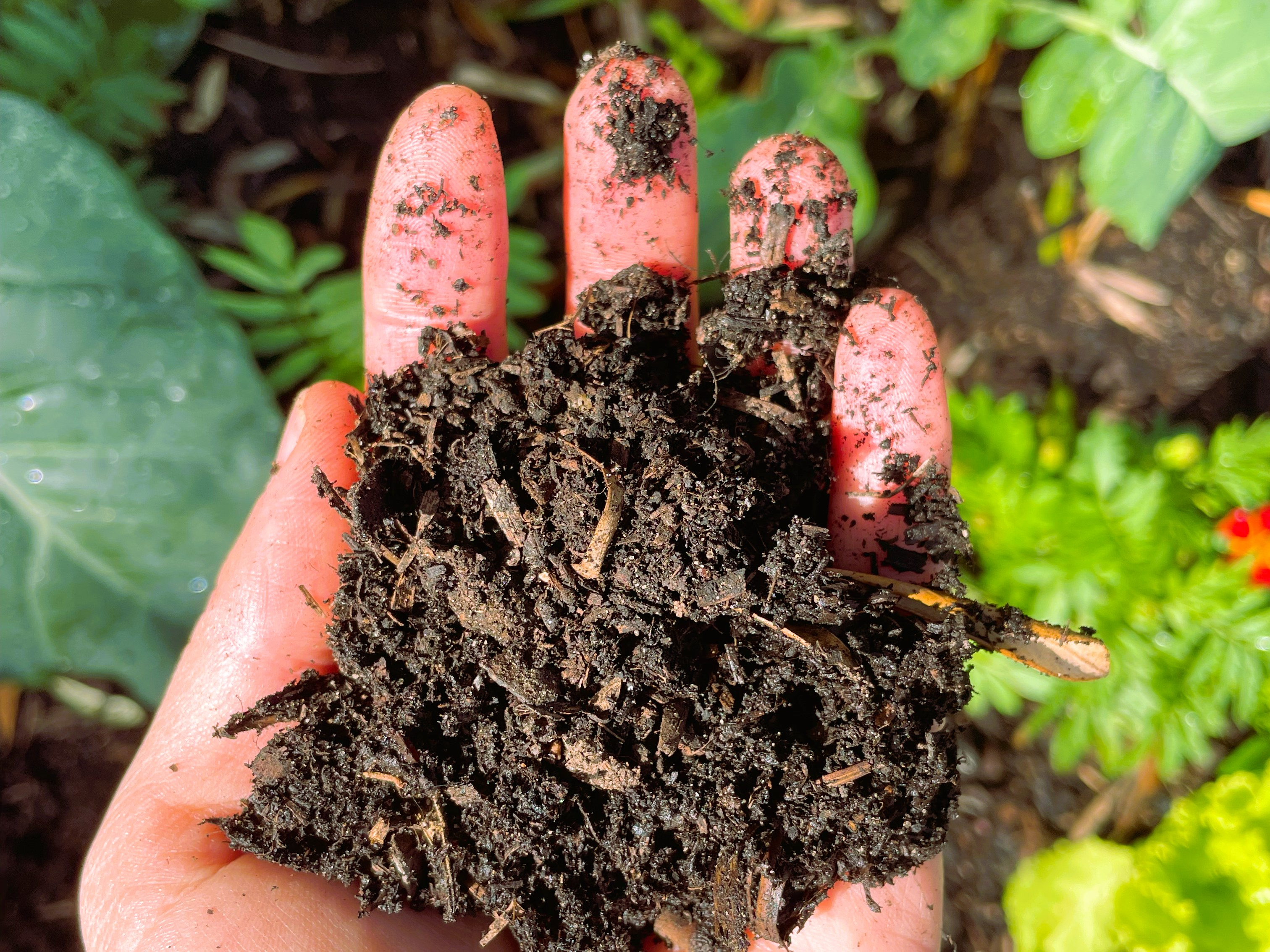
You don’t need to test your soil or stress about its texture. It can be fun to know more about your soil and what exact amendments it needs, but don’t let that overwhelm you early on. Most soils are between sandy and clay-heavy, and that’s okay. Just add nutrient rich, organic compost when planting — it improves the soil over time and feeds your plants. If you have access to leaves or grass cuttings, use them as mulch, it benefits the plants, eventually decomposes and add nutrients to the soil. I keep fertilizers minimal: a bit of diluted fish or kelp fertilizer once or twice during a plant’s growing cycle is enough. You can of course, invest a lot of money and improve your soil quicker but gardening is a slow process after all.
Water Wisely
Water is of course essential for your plants. If you don’t have regular rain and you will likely not set up an irrigation system in the beginning, think about how you plan to water your garden, it will take some time and effort.
Make sure your plants are getting enough and not too much water, especially when they’re young or newly planted. It’s easier said than done. But just stick your fingers in the soil, and if it’s dry a few centimetres down, it will need water. Avoid watering at the hottest time of day — early morning or late afternoon is best.
Additionally, you can look into collecting rainwater to use in your veggie garden.
Seeds or Seedlings
Buying a few starter plants from the nursery can be easier for beginners and more satisfying early on. But seeds are much cheaper and give you more variety. If you’re just getting started, I recommend:
- Buy seedlings for fussier plants like tomatoes or peppers.
- Direct sow crops like lettuce, radishes, beets, and carrots which prefer not to be transplanted.
Final Tips to Start a Vegetable Garden for Beginners
- Choose seasonal plants that match your climate and the current month.
- Match plants to your space (sunlight, container size, etc.).
- Don’t overthink crop rotation and companion planting. As long as each plant has room, you’re good.
Start Where You Are
Every gardener starts somewhere. Use what you have. Grow what you love. And most importantly — enjoy the process. Even if it doesn’t work this season, you’ll know more for next time.
If you’re unsure how to plant out a small garden bed, have a look at this: How to Plant Small Raised Garden Bed – 2 Layouts
For some ideas for garden projects you can check these out my DIY seed starter box or How to Make DIY Ollas for Free Garden Irrigation. They are both easy low or no cost projects to improve the vegetable garden.